


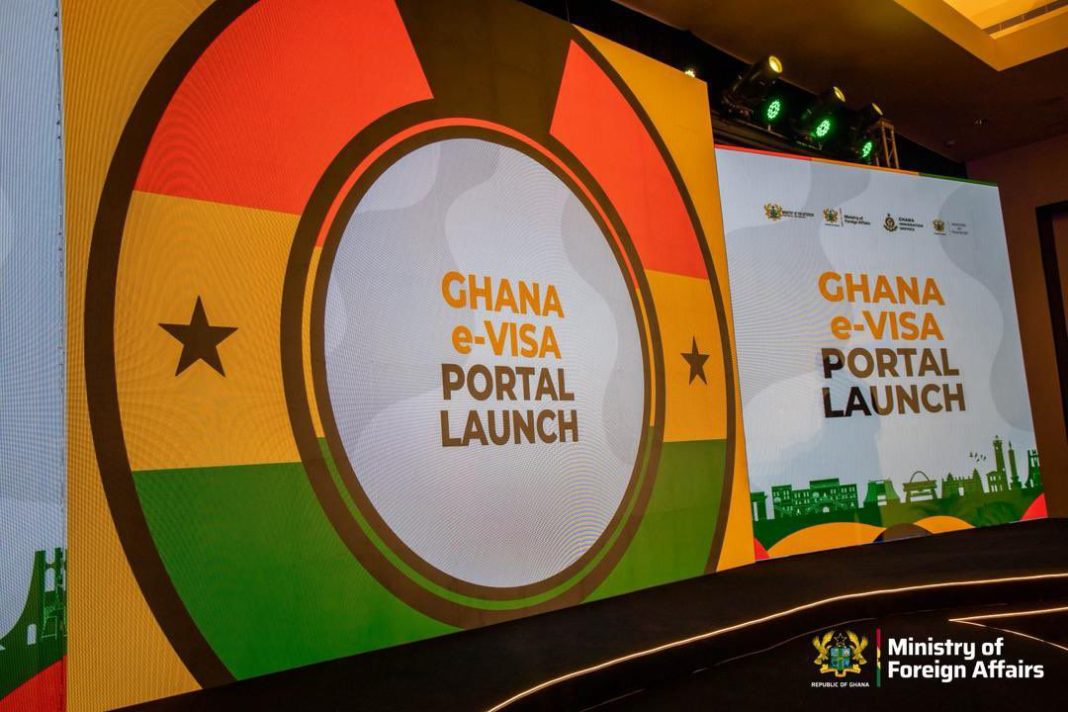

Ghana has taken another bold step toward digital transformation following the launch of its first electronic visa (e-Visa) platform by President John Dramani Mahama. The policy, which replaces Ghana’s visa-on-arrival arrangement for African passport holders, introduces a 360-online visa application process aimed at improving efficiency, strengthening border security, and promoting economic openness.
Under the new system, African passport holders travelling to Ghana for business and tourism purposes will no longer pay visa fees, while applicants outside Africa will continue to pay standard charges. The Government of Ghana (GOG) have also announced a 48-hour processing period for completed applications submitted through the digital platform.
This new initiative forms part of Ghana’s broader ambition to position itself as a gateway to Africa for trade, tourism, investment, and diaspora engagement. Over the years, Ghana has consistently marketed herself as a welcoming destination through initiatives such as the “Year of Return” and “Beyond the Return,” which attracted thousands of Africans in the diaspora to reconnect with their roots through tourism, investment, and cultural experiences.
GoG believes that the new E-Visa system would further bolster Ghana’s tourism industry by removing bureaucratic barriers that often discourage international travelers. Traditionally, many visitors were required to visit embassies physically, complete paperwork manually, and endure long waiting periods before approval. The digital system now allows travelers to apply online, upload documents electronically, and receive approvals through email without embassy visits.
Economically, the policy carries significant potential.
Now, this new policy rollout automatically allows the support of intra-African trade and business mobility. As the host nation of the African Continental Free Trade Area (AFCFTA) Secretariat in Accra, Ghana continues to promote regional integration and easier movement across the continent. Reducing visa restrictions may encourage entrepreneurs, investors, and professionals to conduct business more freely within Ghana and the wider African market.
Tourism could also benefit considerably from the reform. Easier travel procedures often increase visitor numbers, hotel occupancy, transportation demand, and spending within local businesses. Industry observers expect Ghana’s hospitality, entertainment, food, and transport sectors to benefit if the policy succeeds in attracting more regional and international travelers.
Plus, the E-Visa platform reflects Ghana’s effort to modernize governance through technology. In a rapidly digitizing world, countries with efficient immigration systems are often viewed as more attractive for investment and global partnerships. By simplifying visa applications, Ghana projects itself as a modern and business-friendly destination.
However, despite its promise, the policy also raises important concerns. One major challenge is digital accessibility, while online systems may appear convenient, not every African has reliable internet access, digital literacy, or electronic payment options. For some individuals, especially those from areas with weak technological infrastructure, the removal of visa-on-arrival may create additional difficulties rather than convenience.
Concerns have also emerged regarding the reliability of the platform, critics argue that if the system experiences delays, technical failures, or inconsistent communication, Ghana risks frustrating potential visitors instead of attracting them. Other challenges are, the possible impact on spontaneous travel and tourism. Visa-on-arrival systems often support last-minute business trips and flexible tourism arrangements. Requiring travelers to complete online approvals before departure could discourage some visitors who prefer simpler and more flexible entry procedures.
Security and monitoring also remains a topical issue-although GOG insist that the platform strengthens border security through improved digital monitoring and screening systems, maintaining strong cybersecurity and effective data protection will be critical to the success of the initiative. Ultimately, Ghana’s e-Visa policy represents more than an immigration reform. It is a test of the country’s ability to balance modernization, economic ambition, tourism development, and African unity through technology.
If implemented effectively, the policy could strengthen Ghana’s economy by boosting tourism, attracting investment, encouraging trade, and deepening regional integration. It could also reinforce Ghana’s image as a progressive African nation embracing digital governance.
However, if technical inefficiencies, accessibility challenges, and poor implementation dominate the process, the country risks undermining the very openness and convenience the policy promises.
For many young Africans watching Ghana’s progress, the success of this policy will determine whether digital transformation can genuinely become a tool for economic growth and continental connection rather than another administrative barrier disguised as innovation.